All Categories
Featured

Strategies to Reduce Downtime During 2026 Moves
Table of Contents
Macquarie Property management is a leading international possession supervisor providing a diverse variety of investment solutions, consisting of real assets, property, and credit. This info is a general description of Macquarie Asset management only. The views revealed in this site represent those of the relevant financial investment team and are subject to alter.
Some items and/or services discussed on this site may not appropriate for you and may not be readily available in all jurisdictions. Investing includes danger including the possible loss of principal. The investment abilities described in this website include risks due, to name a few things, to the nature of the underlying investments.
Past performance is not a dependable sign of future performance. Before acting on any details, you must consider the appropriateness of it having regard to your particular objectives, financial situation and needs and look for recommendations.
Best Practices for Shipping Sensitive Office Technology
Capital Property Management Group will assist you arrange your financial life, address your entire monetary landscape, and continually monitor your progress as you pursue your objectives.
Provided the value of assets, effective service asset management need to be implemented to manage them, so that you can leverage their potential and propel your service towards higher longevity. To make sure effective asset management, you'll need to understand what it is and how it can be harnessed, which is precisely what we'll cover in this short article: Property management is a process used to effectively acquire, preserve, update, and ultimately get rid of business assets (while ensuring maximum worth and minimum danger).
Efficient property management techniques use organisations the chance to optimise resource utilisation, reduce expenses, and extend the life-span of their properties, assisting to align company objectives with financial objectives. Consider a manufacturing company intending to increase production.
There are five core components of this important procedure, which are: This is a comprehensive record of all the vital details about every property owned by the company, consisting of physical, intangible, and monetary assets. Information recorded need to include description, condition, worth, place, license, etc. Preserving this record helps to track possessions, monitor their usage, alleviate risks, and avoid them from being lost.
It involves setting clear expectations for performance and regularly keeping track of how well these expectations are being fulfilled. Additionally, it requires changing these expectations when needed, considering factors such as expense, danger, and progressing requirements. Understanding the service level is crucial for making sure assets fulfil their functional requirements while serving the goals of the organisation.
Strategies to Minimize Downtime During 2026 Moves
This helps organisations prioritise and strategically designate their resources to maintain and safeguard the most critical ones. By executing danger mitigation procedures like proactive upkeep, backup plans, or insurance coverage policies, companies can ensure a robust strategy for keeping continuity in crucial operations (even in case of an asset failure).
By thinking about total costs rather than just preliminary expenditures, LCC facilitates comparisons and prioritisation of possessions based on long-lasting worth. This procedure lines up costs with risks and advantages such as energy efficiency, assisting notified decisions on property financial investment and management. Sufficient funding is vital for getting and successfully handling assets over their lifecycle.
How Relocation Insurance Reduces Operational RiskServices that purchase this core method can gain numerous benefits, that extend beyond simply monetary gains. A few of these include: As an important part of the possession management procedure, Asset Lifecycle Management brings significant benefits. It assists companies to get the most out of their resources while minimizing downtime too.
With much better property tracking, workers can rapidly find and gain access to necessary assets, increasing productivity too. This helps to keep assets in ideal condition too, enabling businesses to make sure dependable service delivery, resulting in improved customer outcomes, and subsequently improving the total operation. Property inventory provides crucial information on each property, helping in the recognition of redundant or underused resources.
Logistics Management for 2026
Business can then utilize the surplus funds to invest in other areas. Furthermore, real-time property monitoring assists in proactive maintenance, speedy replacements, compliance with regulatory standards, and risk mitigation around the similarity devices failure and theft, resulting in savings around the associated expenditures. By combining all the necessary information into a single platform, possession management simplifies reporting.
Real-time info lets them forecast future requirements, budget plan wisely, and distribute resources optimally, which eventually results in more smart possession allowance and use. Possessions differ in type, function, kind, and worth, making their management a complex job. Let's take a look at the unique set of difficulties that may be dealt with so that we can address them efficiently: The large scope of possession data often results in its storage throughout several systems or departments, producing data silos and making it difficult to gain access to and combine.

Latest Posts

Improving Warehouse Operations during Transitions
Value Protection Through Asset Management
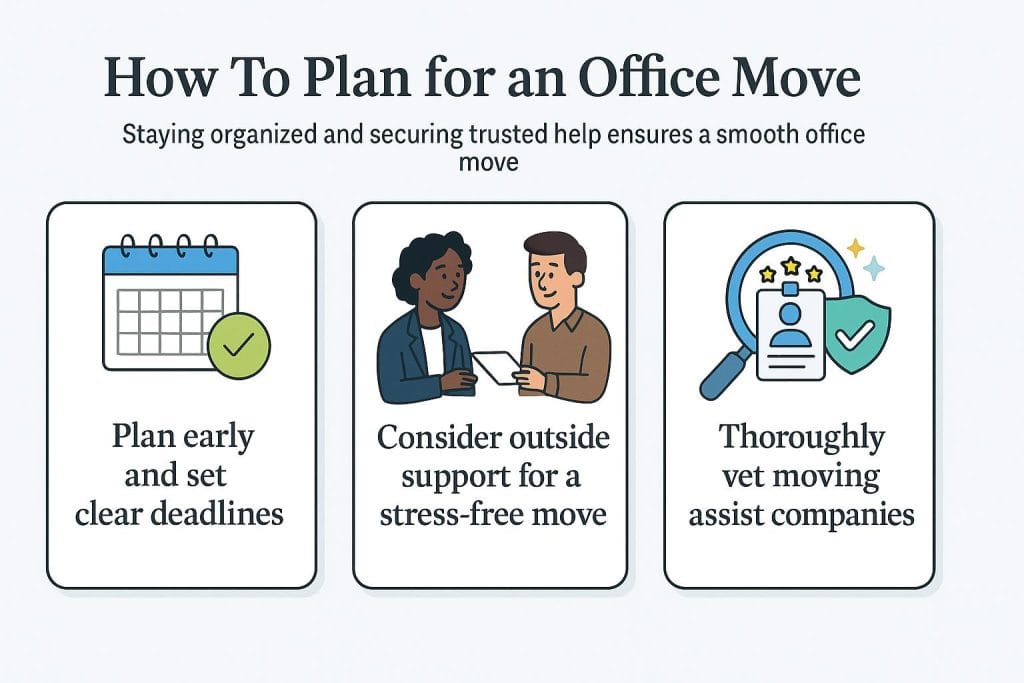
Ensuring a Smooth Office Move in 2026